
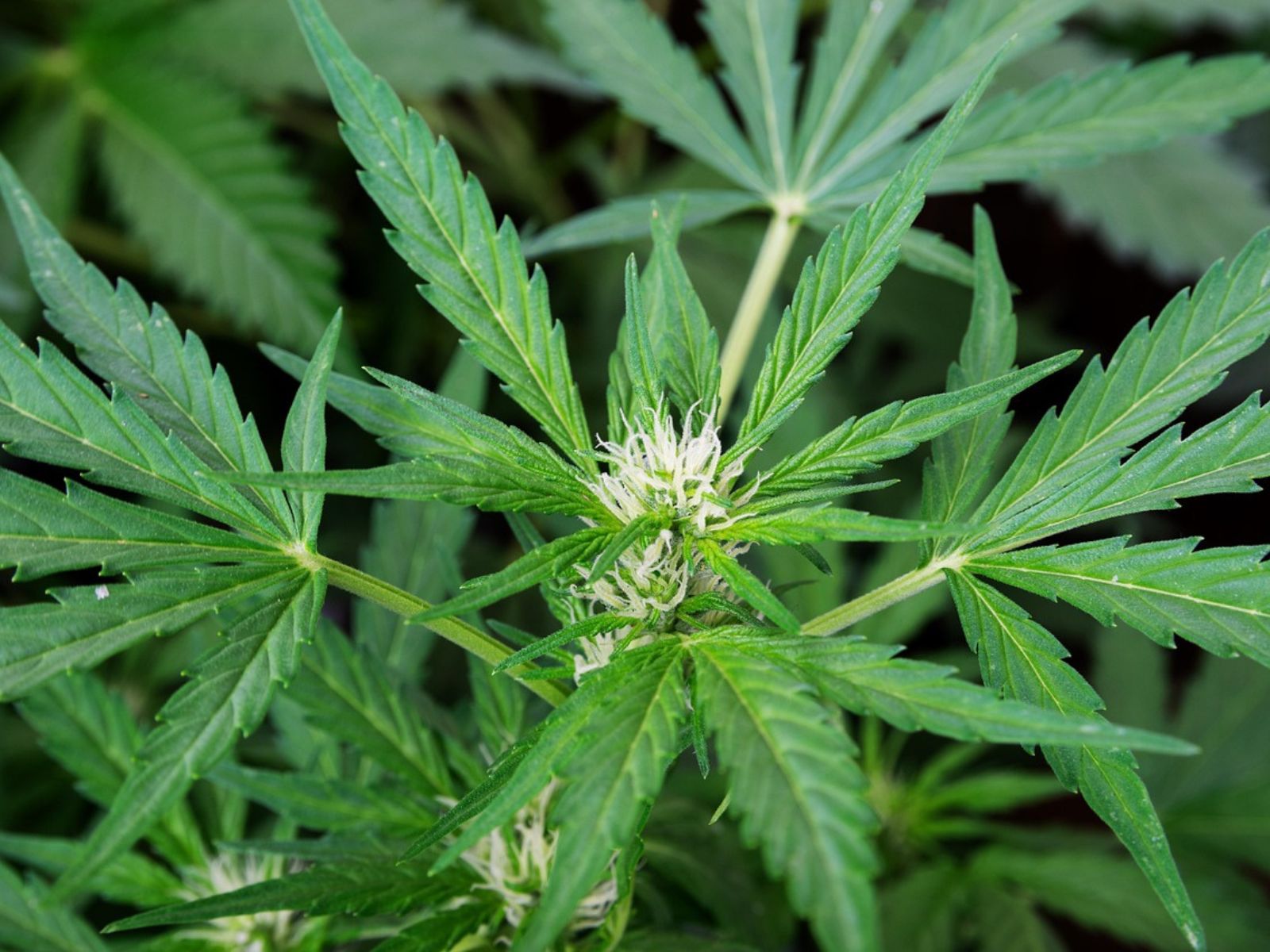
The way that cannabis is cultivated has come a long way and become more sophisticated in recent decades. To be sure, cannabis is still cultivated ‘the old-fashioned way’ using nothing more than soil, water, and the sun.
However, commercial cultivation operations are incorporating newer techniques and technologies at an increasing rate as licensed cannabis producers around the globe continue in their ongoing quest to maximize harvest yields and quality, and also to save money. One technique that is becoming more common is vertical farming.
Vertical farming is not unique to cannabis cultivation, but more cannabis growers appear to be harnessing the technique to save space and get the most out of indoor artificial lighting. Vertical farming is an agricultural practice where crops, including cannabis, are grown in vertically stacked layers instead of just one layer. The practice is expected to be a big sector going forward.
“The global market for Cannabis Vertical Farming was estimated at US$526.4 Million in 2024 and is projected to reach US$1.6 Billion by 2030, growing at a CAGR of 20.3% from 2024 to 2030.” stated Research and Markets in a recent press release.
“As the global cannabis industry matures, cultivators are under increasing pressure to standardize quality, improve yields, and reduce operational risk – all of which are pushing a major shift toward vertical farming.” market analysts from Research and Markets wrote. “In contrast to traditional greenhouses and outdoor grows, vertical farming offers the advantage of full environmental control, allowing growers to manipulate light, temperature, humidity, and CO2 levels to suit specific strain genetics.”
“One of the most critical enablers has been the widespread adoption of high-efficiency LED grow lights, which emit crop-specific spectrums while drastically reducing power consumption and heat output. This allows for denser canopy stacking, better control over plant morphology, and reduced HVAC loads.” they also wrote.
“Precision fertigation systems are being paired with recirculating hydroponics and aeroponics to deliver nutrients exactly when and where they’re needed, optimizing uptake and reducing waste. Environmental control systems now utilize AI and machine learning to adjust climate conditions in real-time, improving resource efficiency and crop uniformity.” Research and Markets stated.
A common trend as governments around the world modernize their cannabis laws and regulations is requiring cannabis to be cultivated in secured spaces that are not open to, or visible by, members of the general public.
One of the largest legal cannabis markets is Europe, with the European Union requiring that all medical cannabis products be GMP-compliant, or meet a similar standard. GMP compliance is a very high standard to meet, all but guaranteeing that cannabis cultivated for legal European Union markets is produced indoors.
The alternative is cultivating cannabis outdoors, then ‘cleaning it’ via remediation processes such as exposing the harvests to radiation, which makes the medical cannabis less desirable among consumers. As long as cannabis is cultivated on a large scale indoors, vertical cannabis farming will remain a popular and lucrative sector.